

Be the first to review “Afakasi Woman – Print Book, Paperback”
You must be logged in to post a review.
T49.95
Only $18 USD (approx currency conversion). Postage included.
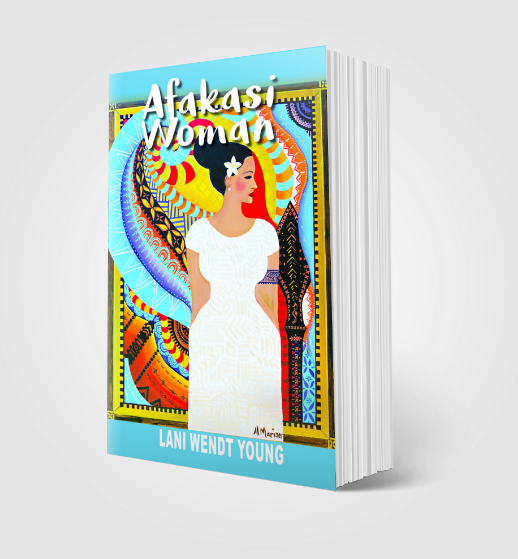
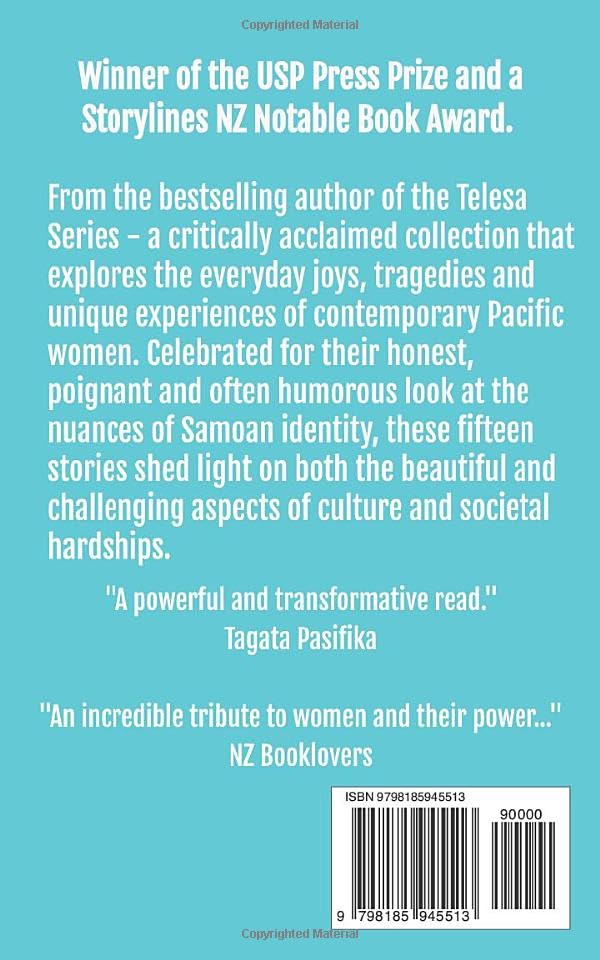
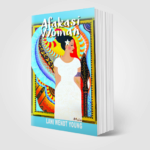
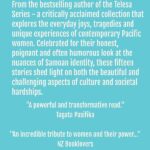
The joys, trials, tragedies, and the sensibilities of being a woman of Samoa are highlighted in this superb collection. Afakasi Woman is a collection of 15 short stories, written by 2018 Pacific Laureate Lani Wendt Young. Originally released as a digital collection that won the University of the South Pacific fiction prize, this revised edition includes previously unpublished stories.Each story is brimming with emotion, offering a unique, engrossing glimpse into the lives of women of the Pacific, as Wendt Young takes readers from tears of laughter to tears of sorrow from one story to the next.
A 2020 winner of a Notable Book Storylines Award and shortlisted in the 2020 New Zealand Book Awards (NZCYA).
You must be logged in to post a review.
Bella and her dog Bongo are best friends. But Bongo loves to bark. At everyone and everything in the village. “Halu Bongo!” is heard everyday as passersby try to chase him away. With so many complaints about Bongo, it looks like Bella and her best friend might be parted. Until a robber comes to the village. Can Bongo’s barking save the day?
A delightful story about a young girl and her dog. A joy to read aloud with children, in both English and Gagana Samoa. Vivid, lush illustrations hand painted by renowned artist Nikki Mariner, bring the richness and beauty of a Samoan village to life. Created in Samoa, this is a story book your family will treasure.
Only $10 USD.
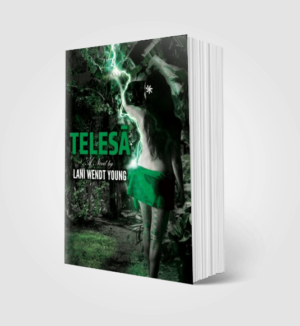
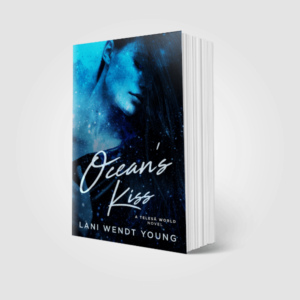
The second book in the international bestselling series, Telesa. As a malicious Telesa plots her revenge, a mysterious stranger arrives on the island. Fuelled by hate and running from a fiery past, he looks to Leila for answers and she must fight to contain the fury of fanua-afi while trying to protect all those she loves. It seems that this is a battle she must wage alone, for Daniel’s ocean birthright cannot be denied and he refuses to walk beside her. Are Leila and Daniel destined to be forever divided by the elements? When it comes to Water and Fire, daughter of earth and son of the ocean – who will endure when water burns?
Only $10 USD (approx currency conversion)
When danger threatens the island of Niua, an ancient weapon is unleashed and Daniel Tahi must decide if he will embrace his Tongan heritage and stand alongside the Vasa Loloa sisterhood of his mother’s people. A standalone novel from the Telesā World. Inspired by mythology of Oceania, the richness of Samoan culture and the very real threats to the Pacific caused by climate change.
$10 USD (Approx currency conversion)
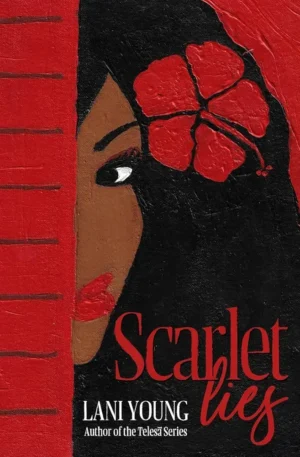
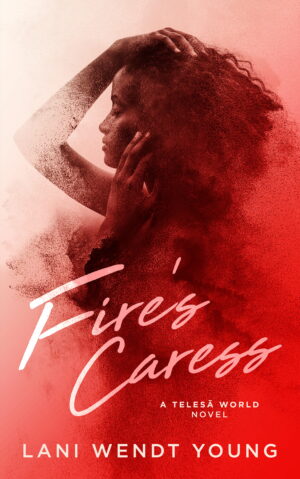
A Telesa World novel that continues the story of Leila and Daniel.
How do you contain a fire god?
All Leila and Daniel want is their ‘happy ever after’. But there’s a small problem – Pele isn’t dead and gone. She may not be in control of Leila anymore, but she’s still a brooding, simmering threat searching for a way out. The couple will need to turn to the ancient ways of the Taulasea for hope and healing. And Leila will need to search deep within to find the strength to reclaim herself.
A standalone novel in the Telesā World.
$10 USD (approx currency conversion)
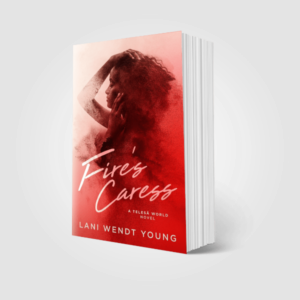
What really happened to Keahi AFTER Teuila left him? If you enjoyed Fire’s Caress, then you will love this added insight into Keahi. Get to know our favourite Telesa World #badBoyBillionaire a little better with this short story.
Only $5 USD.
Best enjoyed if you have already read Fire’s Caress.
Only $15 USD (approx currency conversion). Includes postage.
Get to know Daniel Tahi in a whole new way as he tells HIS side of the Telesa story. This novella is a collection of first person narratives from Daniel. It is a companion book to the Telesa Series and must be read after and in conjunction with: Telesa-The Covenant Keeper, and Telesa – When Water Burns.
Fagu Sea by Tito Pritchard is a still life painting of a shellfish delicacy in Samoa, commonly stored in recycled glass bottles and sealed with coconut husk.
Often enjoyed with breadfuit/ulu and taro.
The first painting of every year is significant.
It sets the tone, mood, style, and benchmark for the year.
The Cleaner was my first for 2024.
It’s a figurative painting of a woman with a broom.
She wears only a lavalava and a sei.
Inspirations.
1. I fell in love with a sculpture by Italian artist Ernesto Coter while eating in his kitchen at Santa Maria Rezzonico a few weeks earlier. The sculpture was sitting on the sideboard beside his dining table. He said it is a Samoan woman dancing. This painting is a response to the sculpture (Pic 5)
2. A new year inspires a fresh look at life, reassessment, and decluttering. It’s not the first time my first painting for a new year has included a broom. It’s about spring cleaning your life as a new year begins.
3. Spending time with my family gave me a fresh respect for two of my sisters who each successfully run their own cleaning businesses in Queensland. It’s more interesting and complex work than I expected, and what they do for their clients is admirable.
I wanted to honour cleaners so I painted gold behind her head to show she is iconic.
And she had a gold broom.
4. Samoans sweep everything regularly – the beach, the grass the house, and everything.
5. A woman with a broom is a timeless and common sight in the background of every culture and every age. I want to uplift and highlight this symbol.
As a goddess. With an iconic halo.
We have often been this person and often see this person. And they’re important and essential.
They get rid of crap and they make the world more beautiful.
Goddesses.
6. I painted a blue ocean type background because I was seeing a lot from the 2023 United Nations Climate Change Conference in Dubai, while painting. Many people I know were there representing island nations of the Pacific Ocean.
Popouli is a painting that uses the life stages of a coconut to represent the optimal timing for regrowth and regeneration.
Yellows, greens and browns. Not colours I usually use but you can’t argue with nature’s beauty.
Then the title just seemed so obvious and perfect.
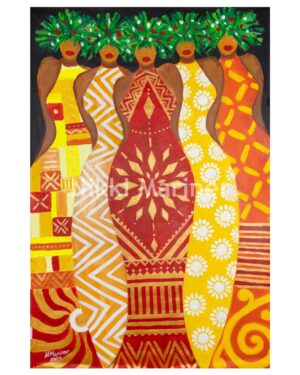
Misiluki is Samoan for Lady Finger bananas.
Lady Fingers. Five digits on a hand and five is the number of sisters I paint over and over again.
This bunch of five sisters are all grown up.
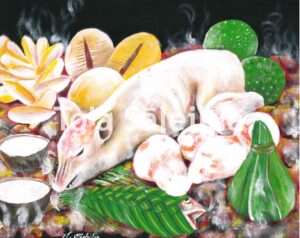
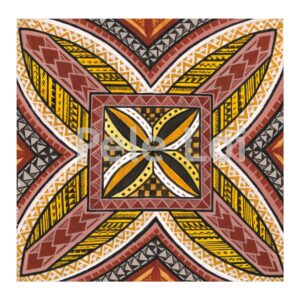
This print by Pele Loi depicts a traditional Sunday lunch including much loved Samoan food laid out on a plate of leaves against a background of tatau patterns.
Special Launch Discount price of Only $7.50 USD! (approximate currency conversion.) Debut short story collection from Samoa’s newest literary voice Nicki Perese – poet, educator and proud fa’afafine author. Twenty-six stories that draw from everyday life in Samoa. Moments of humour, hardship, cultural responsibility, faith, love, identity and the unseen emotional currents that shape who we become. These stories are suitable for students in secondary school and above. Teachers will find them a valuable resource in the classroom and readers of all ages will delight in the rich insight into the unique spirit of Samoa’s youth.
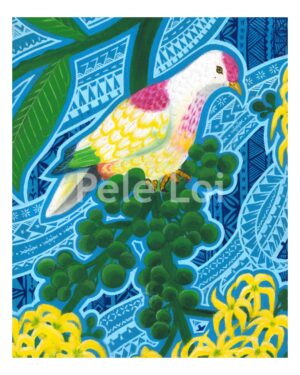
This print by Pele Loi features a bird feeding in the natural Samoan environment against a bright blue background of Samoan tatau patterns.
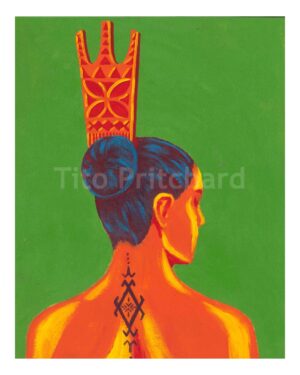
This print by young artist and carver Tito Pritchard features a traditional Samoan hair comb which is carved from wood.
My sisters and I live different lives than we used to.
I watch their online stories traveling Europe and dancing at music festivals.
We discuss pending court cases and struggles of self-employment.
The days of desperately seeking babysitters, carpooling for school events, and borrowing from each other to pay the rent are gone.
We are less compliant and more calm.
We are more heartbroken and less cooperative.
We are smarter and deeper.
That’s what this painting is about.
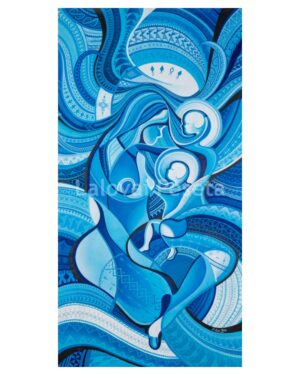
Letting go. Floating.
I’ve always loved Ella Fitzgerald singing Cry Me A River.
The lyrics say it all. Cry me a river, I cried a river over you.
But the version that goes with this painting is Cry Me A River by Julie London, Live at the Americana Hotel, New York 1964. It’s breathtakingly beautiful.
So this painting is titled Cry Me A Moana and captures a similar sentiment as the song.
(Moana is a word that means ocean in several Pacific Island languages.)
Five brown-skinned full-bodied women floating in water.
They are reaching and twisting.
Their respectable white dresses become translucent, and the flower leis of honour are drifting away, and the women don’t care.
They float above fish skeletons and remnants of the past.
I hope it resonates. I want to make art that people feel, not only look at.
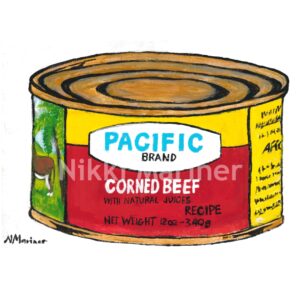
This print features a favourite food in Samoa: Corned Beef or Pisupo.
Like artists for centuries, I teach myself about painting by doing my own versions of the great masters and modern icons.
Personally, I’ve never been attracted to the artwork by American artist Andy Warhol (1928-1987), but corned beef cans gave me the perfect opportunity to explore his work. Step into the experience of studying the minutiae of mundane objects and products.
It was interesting and it gave me a new appreciation.
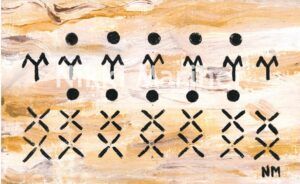
Playing with poem structure, paint, and Samoan markings.
Small paintings inspired by the 7 metre by 2 metre works (pic 6) I created for the VIP Terminal Lounge at Faleolo International Airport.
The cinquain poem was invented by an American poet, and she drew inspiration from Japanese forms such as haiku and tanka, which are arranged in five lines. The cinquain has a syllable count of 2- 4 – 6 – 8 – 2.
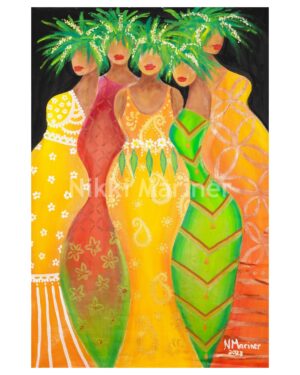
Going to your seamstress for a new dress or puletasi, choosing your material, being measured all over your body, hearing feedback about your measurements, discussing the design, discussing the event… it’s a whole thing.
#ifykyk
That’s what this painting is about.
Get access to your Orders, Wishlist and Recommendations.
Your personal data will be used to support your experience throughout this website, to manage access to your account, and for other purposes described in our privacy policy.
Select at least 2 products
to compare


There are no reviews yet.